The Last Diplomat: A Case for the Maître d' in an Age of Self-Service Luxury
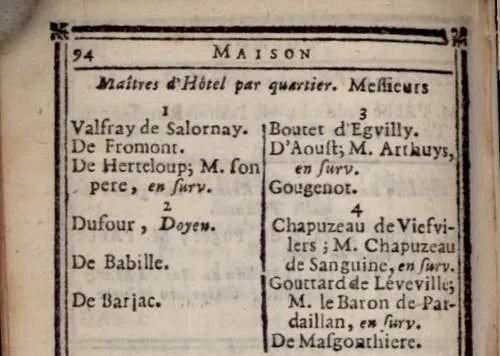
Photo: Arnoncourt, CC BY-SA 4.0, via Wikimedia Commons
The Empty Podium
Walk into a great American dining room fifty years ago and the first person you met was not a menu but a man: the maître d', stationed at his podium, holding in his head the seating chart, the regulars, the anniversaries, the feuds between table twelve and table nine. Today that podium is as likely to hold an iPad — or nothing at all, with a QR code directing you to a page that will seat you when the algorithm decides.
I want to argue, without irony, that this is a loss on the order of replacing a sommelier with a wine app. The maître d' is not overhead. He — or, increasingly, she — is the institution's memory, and memory is precisely what money cannot otherwise buy in a restaurant.
What the Algorithm Cannot Do
Consider what a great floor captain actually performs in a single service. She reads the couple at table four and knows the proposal is coming, so the kitchen holds the dessert. He remembers that the party of six last visited before a difficult year and steers them to the quiet corner. She mediates the inevitable collision between the guest who lingers and the guest who waits — a negotiation no software has ever resolved gracefully.
This is diplomacy in miniature, and it is invisible when done well. Its absence is equally invisible, which is the problem: restaurants that cut the role save a salary and lose a margin of grace that never appears on any profit-and-loss statement.
The False Economy of Streamlining
The pressure is real. Labor costs have risen faster than menu prices in most American markets, and the temptation to let software handle the host stand is rational on a spreadsheet. But luxury has never been rational. The diner paying four hundred dollars a head is not purchasing calories; she is purchasing the sensation of being known. A QR code cannot know anyone.
The finest rooms understand this. At the best tables in New York, Chicago, and New Orleans, the captain who greets you by name — remembers your table, your wine, your dislike of cilantro — is doing work that no app can replicate and that no menu surcharge adequately prices. These restaurants are not being sentimental. They are protecting their moat.
An Appeal to Ownership
So here is the appeal: fight to keep them. Train them. Pay them like the irreplaceable assets they are, and build succession plans so the knowledge does not walk out with a retirement. The great maître d's of the last century — the legends of New Orleans's Creole dining rooms, the old captains of Manhattan's French kitchens — were not relics. They were the product itself.
The scarcest luxury on any menu is not caviar or white truffle. It is the person at the door who already knows why you have come. Guard accordingly.